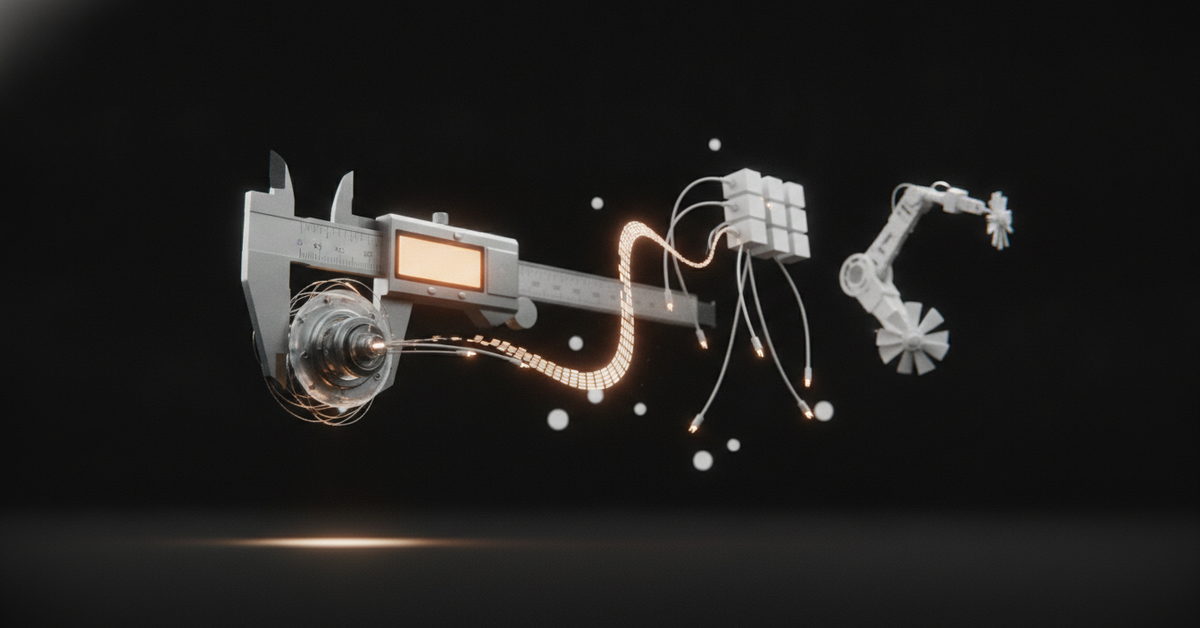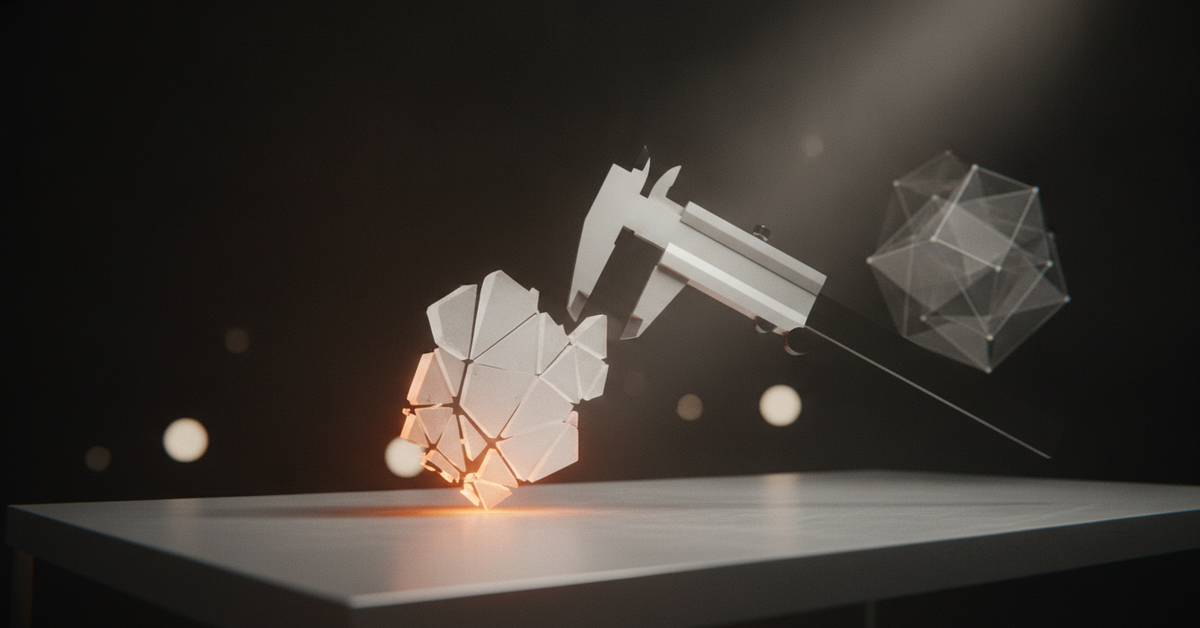
Imagine a small manufacturing company in Northern Italy, perhaps specializing in precision components. Their production line is efficient, but occasionally, a subtle defect evades automated quality control, necessitating costly, reactive manual intervention. Or consider a logistics warehouse where inventory management and pick-path optimization still rely on a mix of outdated software and human intuition, leading to inefficiencies and waste. These aren't isolated scenarios; they represent a recurring dynamic we observe in many Italian SMEs striving to push automation beyond its traditional forms.
Until recently, integrating AI to address these nuances meant writing thousands of lines of code to cover every possible scenario, incurring prohibitive costs and lengthy development times. Today, the advent of advanced models like Anthropic's Claude in the realm of 'physical AI,' as announced by the partnership with UST (original source), unlocks unprecedented possibilities. Physical AI refers to integrating natural language understanding and reasoning capabilities into systems that directly interact with the real world, such as robots, industrial sensors, and machinery, offering a flexibility and 'comprehension' previously unimaginable.
What Physical AI with Claude Means
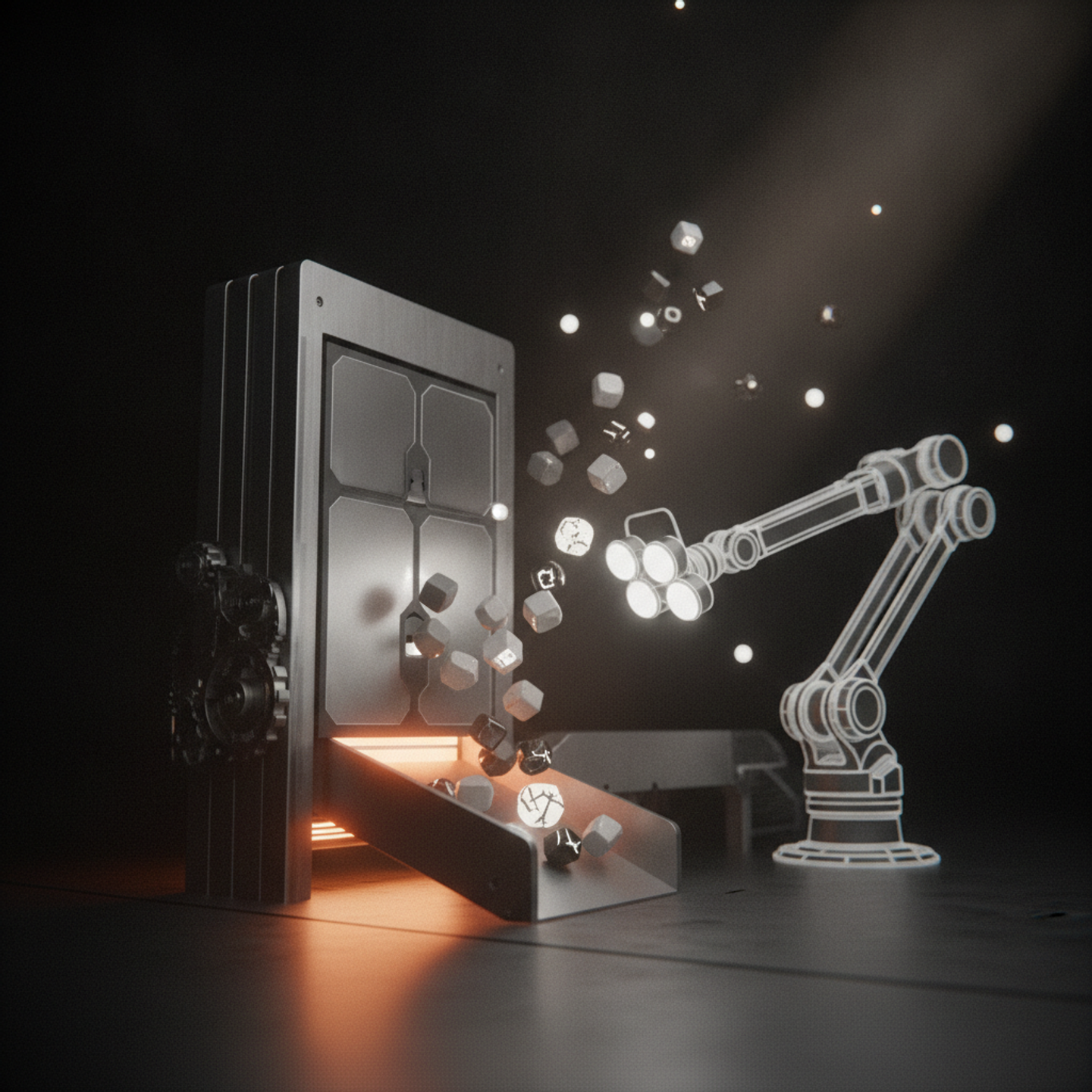
Integrating a Large Language Model (LLM) like Claude into physical systems isn't just an evolution; it's a paradigm shift, summarized in three key points:
- Contextual Intelligence for Physical Processes: Claude can interpret complex sensor inputs (images, telemetry data, acoustic signals) and translate them into actionable decisions. Imagine a vision system that, beyond detecting an anomaly, understands its nature (e.g., 'abnormal wear on component X on side Y due to friction') and suggests a specific action, moving past binary 'conforming/non-conforming' logic. It's not just about object recognition, but understanding the context and implication of what's happening in the physical world.
- Flexible and Adaptive Automation: No longer just rigid pre-programmed rules, but systems capable of adapting to unforeseen variations. For instance, a robotic arm adjusting its grip based on the consistency of a slightly deformed object, or a monitoring system that, upon detecting out-of-norm parameters, doesn't just send an alarm but proposes a sequence of diagnostic tests or a predictive maintenance intervention, minimizing downtime. This reasoning capability represents a significant leap forward compared to traditional automation.
- Enhanced Human-Machine Interface: Operators can interact with complex systems using natural language, asking 'why is production slowed down?' and receiving a response that integrates sensor data and operational logic, rather than having to interpret complex dashboards. This makes the adoption of new technologies more accessible and reduces the learning curve for staff.
What Changes for Developers in Italy
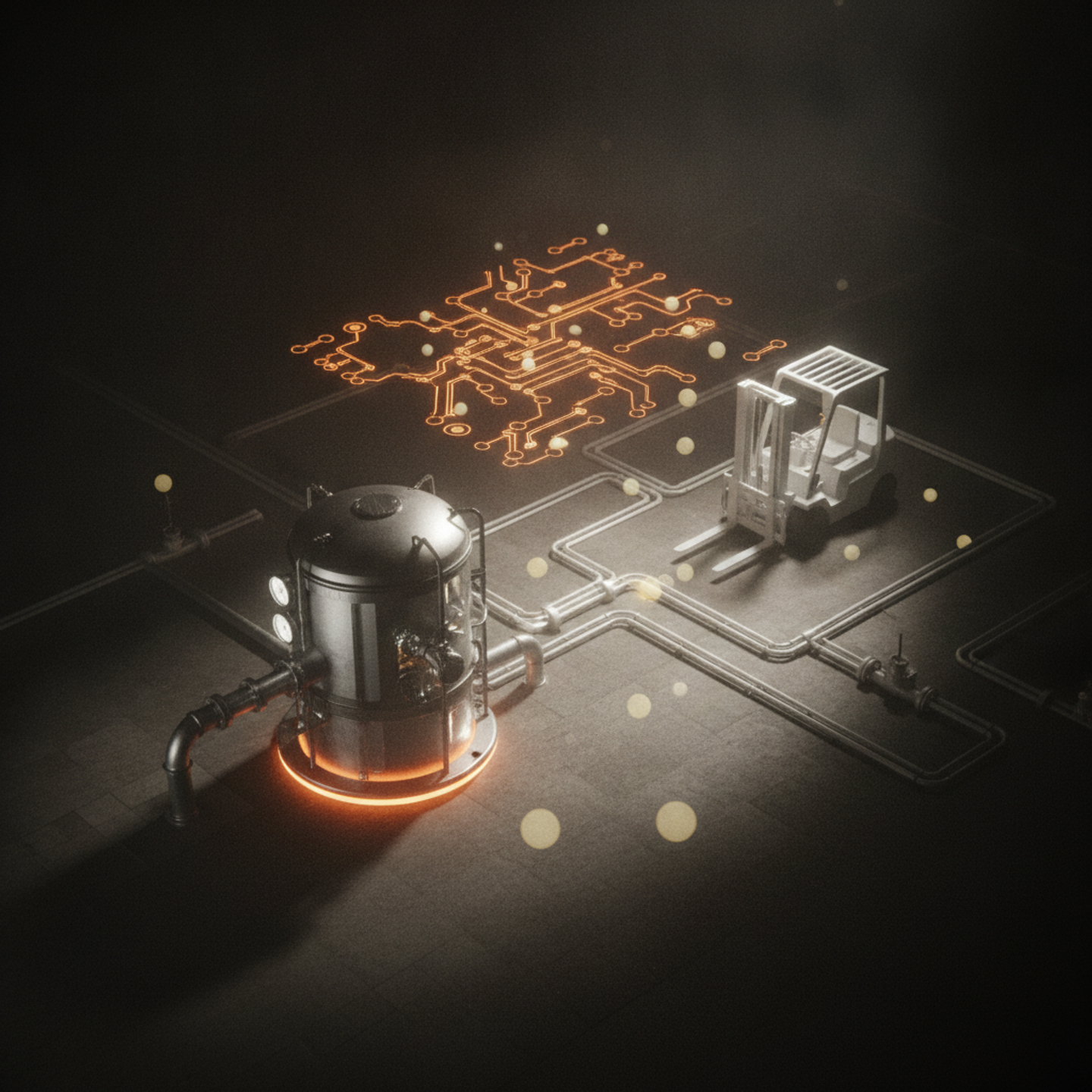
For CTOs, startup founders, and developers in Italian SMEs, this evolution opens several concrete opportunities:
- New Intelligent Automation Opportunities: Sectors like manufacturing, logistics, precision agriculture, and smart building automation can benefit from a new generation of more 'intelligent' systems. Consider robots optimizing pick paths in a warehouse not just based on distances, but also on urgency priorities, environmental conditions, and staff availability.
- Development of More Sophisticated AI Agents: Claude's ability to reason and plan makes it possible to build AI agents that aren't limited to executing simple tasks but can tackle complex problems in the physical world. As we explored in a previous article on LLM agentic systems, the effectiveness of these agents depends on their ability to interpret context and make autonomous decisions.
- The Integration Challenge: Development will require expertise in IoT connectivity, real-time data management, and integrating LLMs with existing industrial hardware and software systems (e.g., SCADA, PLCs). At Logika.studio, we've observed how the AI-augmented approach, combining a small senior team with swarms of specialized AI agents, can accelerate these projects, while maintaining 100% rigorous human oversight to ensure safety and reliability.
Known Limitations and When NOT to Use Physical AI with LLMs
Despite its promising capabilities, it's crucial to consider current limitations and scenarios where using LLMs for physical AI might not be the ideal solution:
- Critical Latency: LLMs, by their nature, introduce processing latency. This makes them unsuitable for real-time control applications where milliseconds make a difference (e.g., emergency braking in an autonomous vehicle, precision control of a high-speed tool). For these applications, deterministic, low-latency systems remain irreplaceable.
- High Costs for Continuous Inference: Running inferences with complex models like Claude can be expensive, especially if required continuously. For basic monitoring and control, lighter, less expensive solutions based on rules or simpler ML models are often more economically efficient.
- Safety and Reliability ('Hallucinations' in the Physical World): An LLM hallucination in a chatbot can be an embarrassing error; in the physical world, it can cause material damage or jeopardize safety. Robustness, predictability, and the ability to handle unexpected situations are non-negotiable requirements. It is essential to design systems with redundant safety mechanisms and an effective 'human-in-the-loop'.
- Dependence on High-Quality Data: Even the most advanced AI is 'garbage in, garbage out'. For effective physical AI, accurate sensors and high-quality, well-labeled data are necessary, which can be expensive to collect and maintain, especially in complex industrial environments.
Integrating Claude into physical AI represents a significant step towards more intelligent and flexible industrial systems. However, like any emerging technology, it requires careful evaluation of costs, benefits, and risks, with a keen eye on safety and reliability. For Italian SMEs, it means having new automation tools available, but also the need for specific expertise to implement them effectively and securely.
If you want to explore how advanced artificial intelligence can transform physical processes in your company, our free 15-minute audit is available at audit — quick analysis, 2-3 concrete points, zero pitch.