

A technical founder of a rapidly growing startup faces yet another meeting to define the product roadmap. The development team is under pressure, deadlines are tight, and new feature requests pile up. With every new feature, the same question arises: should we build everything from scratch, or can we integrate an existing solution? The classic 'build vs buy' dilemma isn't just about immediate costs or features; it's a strategic decision that can determine execution speed, product quality, and long-term sustainability.
This question is even more complex for a software house with the expertise to build practically anything. Professional pride often suggests full control, but practical experience teaches that it's not always the best path. Often, the desire for total control translates into an unsustainable maintenance burden and unexpected slowdowns. Over the years, we've observed a recurring pattern: even the most skilled teams benefit immensely from outsourcing non-core components, freeing up resources for what truly differentiates their product. We explored a similar approach when n8n is not enough: no-code automation limits and concrete alternatives. At Logika.studio, despite having a senior team and AI agents specialized in rapid development, we've identified at least four key areas where 'buy' not only makes sense but is almost always the winning choice.
Authentication: When Building a Login System is Pure Vanity

User authentication is the gateway to every application. It seems simple, but beneath the surface lie significant complexities: session management, secure password resets, MFA, protection against brute-force attacks, and GDPR compliance. Building a robust, secure, and scalable system requires specialized skills and constant maintenance. Vulnerabilities can be disastrous, and regulations evolve rapidly.
For this reason, in projects with modern stacks like Next.js 15, we prefer to rely on mature solutions such as Clerk, Auth.js (formerly NextAuth.js), or the integrated authentication of Supabase. These services offer security by design, scalability for millions of users, and advanced features like social login and SSO, all ready to use. The cost of a service like Clerk (e.g., $29-99/month) is negligible compared to the hundreds of hours of development and testing needed to replicate the same reliability internally, not to mention ongoing maintenance. The trade-off is clear: time spent building a custom login is time taken away from the product's core functionalities.
CDN: Speed and Reliability for Your Static Assets
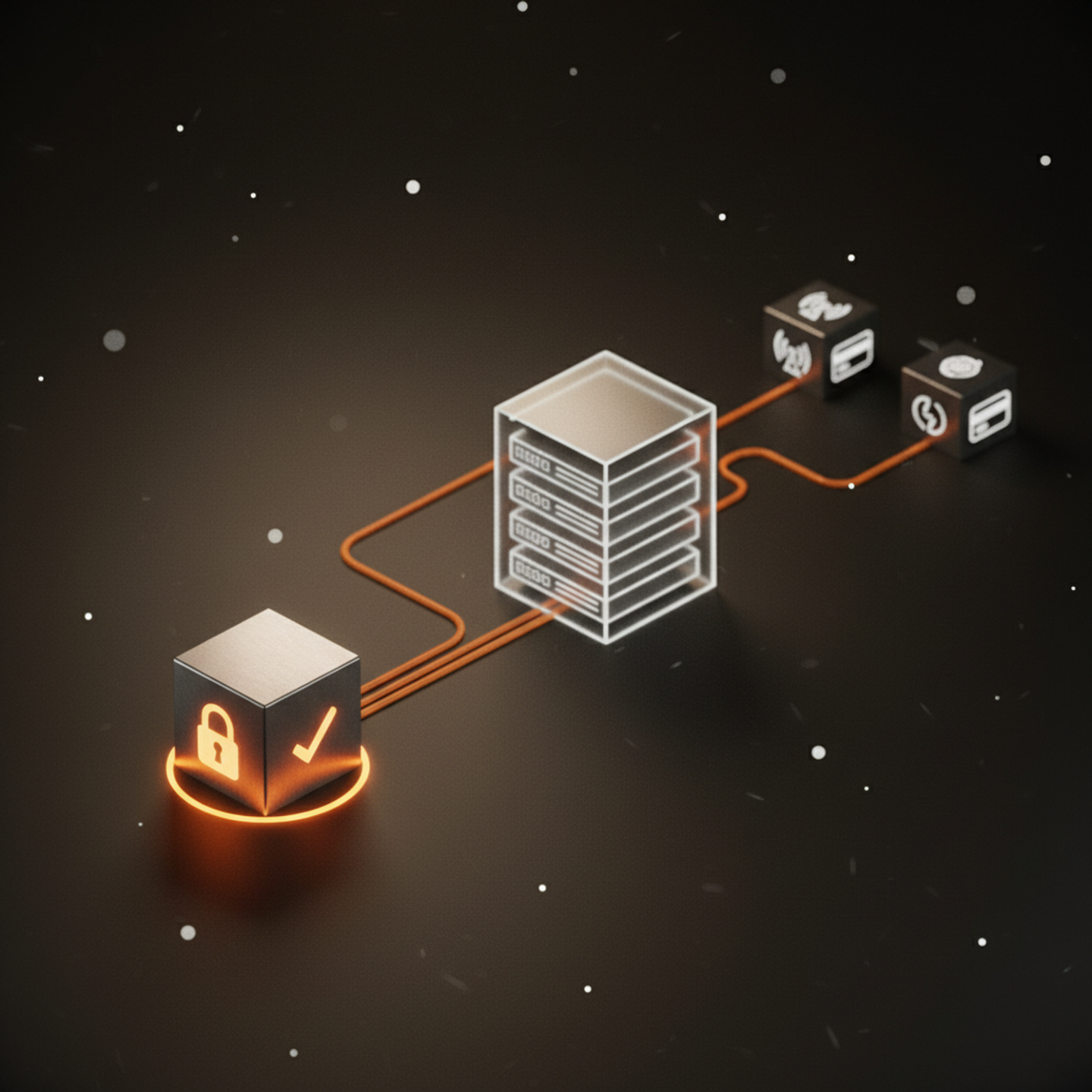
A modern web application also comprises images, videos, CSS files, and JavaScript that need to load quickly across the globe. A Content Delivery Network (CDN) serves your content to users from the geographically closest location, reducing latency and improving loading speed. Building an internal CDN is a complex and extremely expensive undertaking, requiring a global infrastructure and load balancing. For a startup or an SME, it's an investment that never pays off.
Services like Vercel (with its integrated Edge Network), Cloudflare, or AWS CloudFront are essential choices. They offer superior performance, DDoS protection, image optimization, and are often included in platform costs or have free/economical plans. Consider an e-commerce site with thousands of products: every millisecond saved in loading time improves user experience and increases conversions. A managed CDN frees you from this infrastructure burden.
Error Tracking: More Than Just Logs, It's Proactive Diagnostics
When a user encounters an error, time is critical. Knowing what happened, where, and how widespread the issue is, is fundamental for rapid resolution. Many rely on simple logging systems, but these are often reactive. A good error tracking and monitoring system does much more: it automatically captures errors, aggregates stack traces, provides context (browser, OS, user session), and notifies the team. Building a robust system internally is a high-cost, low-value-add activity compared to the core business.
This means replicating functionalities that services like Sentry, LogRocket, or Datadog have perfected over years. They offer detailed context, intelligent error aggregation, and customizable alerting via Slack or email. The cost, ranging from free plans to hundreds of euros, is a minimal investment compared to the debugging time saved and the positive impact on product reputation. It's not just about knowing that there's an error, but understanding why and how to resolve it quickly.
Payment Systems: Security First
Integrating payment functionalities is often a mandatory step. The temptation to 'do it yourself' might arise, but online payments are a minefield of regulations (PCI DSS), security, fraud, tax management, and integration with various networks. Direct implementation with banks requires specific expertise, costly certifications, and meticulous attention to security to prevent data breaches. Maintaining these integrations is arduous, with complex and fragmented banking APIs.
Therefore, relying on giants like Stripe or Paddle is the sensible choice. They offer PCI DSS compliance, extensive coverage for global currencies and payment methods, advanced fraud management systems, and flexible pricing models. Their APIs and SDKs are well-documented and integrate easily with stacks like Next.js. The cost, typically a percentage of transactions, is justified by the peace of mind it offers: you can focus on your product's added value, not on transaction bureaucracy and security.
True Agility: Knowing When to Delegate
In conclusion, the 'build vs buy' dilemma for a software house isn't a sign of weakness but of strategic intelligence. Knowing how to identify non-core components and choosing to rely on specialized solutions is the foundation of an agility and development speed that few traditional agencies can replicate. This approach allows our team to deliver high-performing and maintainable solutions in reduced time, focusing energy on what generates true value. The market offers powerful and secure tools that excellently solve common problems. Ignoring these options means reinventing the wheel, incurring unnecessary development and maintenance costs, and slowing down your product's innovation. The true art of modern development lies in composing effective solutions, not in building every single brick.
If you'd like to delve deeper into a similar case, a free 30-minute audit is available at audit — quick analysis, 2-3 concrete points, zero pitch.